

National park trip into the Congo Basin
East Cameroon: Lobéké National Park & Rainforest
East Cameroon is rainforest: over 90 % of the country’s largest region is forested, sparsely populated and part of the Congo Basin, the second-largest rainforest on Earth. The goal of almost every trip is Lobéké National Park in the far southeast. From viewing platforms at forest clearings you watch forest buffalo, colobus monkeys and, with luck, gorillas and forest elephants. The way there leads via Bertoua, Batouri and Yokadouma: two long days of driving, one of them on red dirt roads.
 I’m André, and I lived in Cameroon from 2022 to 2026. I have travelled to the region around ten times, and in March 2024 I visited Lobéké National Park with friends. Here you’ll find the route there and what to expect in the park. Contacts for the park administration, drivers and accommodation, plus the full cost breakdown, are in our Cameroon travel guide.
Last updated: November 2026
Jump to:


East Cameroon at a Glance: Location, Safety, Best Time to Visit, Budget
Location & Getting There
 YaoundéBertouaBatouriYokadoumaMambélé / Lobéké
- RegionEast Region (Est), Cameroon’s largest region
- LandscapeCongo Basin rainforest, over 90 % forested
- CapitalBertoua
- Getting there2 days by 4×4 with driver from Yaoundé to Mambélé
Safety
The route is calm, but the park lies in a border area.
Lobéké Park borders the Central African Republic. The German Federal Foreign Office warns against travel to this border area, and the British FCDO advises against all travel within 40 km of the border (as of November 2026). I have driven this route more than five times without stopping overnight and never had any problems or heard of any. In the park you are always accompanied by an armed team that protects you from wildlife and poachers. In the rainforest you are cut off from everything (phone network, medical care etc.), so you need to prepare well. More in my safety article (German).
Best Time to Visit
December to April
Dec. to April: dry season, the dirt roads are in their best condition.
May to Nov.: rain, getting there depends on the state of the roads. The park itself is open all year.
How Long to Stay
8 to 10 days from Yaoundé
Two driving days each way, three to five days in the park and one buffer day. Since tourists are rare, contact the park administration early and again shortly before your trip.
Budget
Approx. €700 per person for four travellers
For 9 days from Yaoundé incl. rental car with driver, fuel, park team and fees. For two people it’s approx. €1,100 per person, travelling alone around €2,000. Accommodation along the way is cheap; the biggest costs are the car, the driver and the team in the park.
More in the Travel Guide
Contacts for the park administration, drivers and accommodation, plus the full cost breakdown with every item, are in our travel guide.
Getting there
Getting There: From Yaoundé to the Edge of the Congo Basin
From Yaoundé to the park office in Mambélé it takes two long, exhausting days of driving. Set off early in the morning with a driver and a 4×4 to reach Yokadouma, or at least Batouri, on the first evening. The road is paved until just past Batouri, then the dirt road begins. Alternatively, buses run to Bertoua and minibuses from there towards Mambélé. If you have more time, a few stops along the way are worthwhile:
Stops Along the Way

Doumé
On the standard route via Abong-Mbang lies Doumé with the former German fort and prison. Walls, cells and a guillotine bear witness to colonial rule. The mango trees along the avenue are said to have been planted on the graves of executed resistance fighters.

Bertoua
The regional capital is the last town with supermarkets and plenty of hotels and restaurants. Perfect for buying supplies for the park, such as water and instant food.

Chimpanzees at Sanaga-Yong
Not directly on the way, but a rewarding day trip from Bertoua: near Bélabo, the Sanaga-Yong sanctuary, founded in 1999, gives refuge to over 70 chimpanzees. It isn’t primarily set up for tourists, but visitors are welcome from 10 am to 4 pm.

Batouri & Kambele-Dem
Beyond Batouri (1.5 hrs from Bertoua), another possible overnight stop, lie the gold pits of Kambele-Dem. Today, locals dig here under dangerous conditions. Even from the roadside you can sense the scale of the environmental destruction.

Yokadouma
After 4.5 hrs of driving from Batouri, Yokadouma is the next stop on the way to the park. There are still a few places to stay and the last official petrol station before the park.

Mambélé
The gateway to Lobéké Park. It’s best to stay at the WWF guesthouse on the park administration’s grounds, where you also agree on the programme and all costs in detail.
← Swipe for more →
National park
Lobéké National Park: Into the Rainforest with Your Expedition Team
In Lobéké National Park you travel through one of the most pristine rainforest landscapes on Earth. Only a few hundred tourists and researchers come here each year. The park is part of the transboundary Sangha Trinational, a UNESCO World Heritage Site with neighbouring parks in the Central African Republic and the Republic of Congo. The trip combines hardship with pure nature: no phone signal, no hospital nearby, but silence, giant trees and wildlife watching.
Important: Lobéké Park lies directly on the border with the Central African Republic. The German Federal Foreign Office warns against travel to this border area, and the British FCDO advises against all travel within 40 km of the border (as of November 2026). In the park you are accompanied by an armed team that protects you from wildlife and poachers. We are not aware of any incidents involving visitors. Check the latest situation before you travel and review your insurance cover.


- Stay: 3 to 5 days in the park
- Getting there: 2 days’ drive from Yaoundé to Mambélé
- Tip: Spend the night in the mirador: animals come mainly in the morning and evening
Been to Lobéké Park myself
In the Cameroon travel guide: contacts for the park administration and drivers, the full cost breakdown and our packing list.
How Your Expedition Works
Planning the trip starts a few weeks in advance. Get in touch with the park administration and your driver to announce your visit and arrange transport.
Once you arrive, the park team takes you from Mambélé by Land Cruiser over dirt roads and forest tracks deep into the forest. Where the car can’t go any further, you hike 6 to 11 kilometres to one of the forest camps: wooden shelters under which the tents are pitched, plus a cooking area and a pit latrine.
At dawn and dusk you head to the nearby clearing (bai) and spend hours on a covered wooden platform, the mirador. Pure meditation.
Important, managing expectations: A rainforest exploration is not a savanna safari. Dense foliage severely limits visibility. You’re sure to see rare plants, colourful birds and monkeys. Gorillas, forest elephants, leopards and forest buffalo are a bonus, but never guaranteed in the dense forest.
- First and last day: Drive to the drop-off point, hike to the camp, first wildlife watching in the evening.
- Following days: Mornings and evenings on the mirador, forest walks with the guide in between.
Travel story: Lobéké #1 (German) →
Travel story: Lobéké #2 (German) →
Good to Know

The four clearings
Four clearings can be visited, in two pairs: Djaloumbé & Ndangayé, and Djangui & La Petite Savanne. The park administration knows where your chances are currently best. With three days in the park, one clearing is realistic; from four days, two are worthwhile.

Your expedition team
A guide and two armed eco-guards are mandatory. A driver, another eco-guard and a sawyer who clears the path take you to the drop-off point. Porters and a cook can be added. Our tip: hire a Baka as guide and tracker.

The Baka, guardians of the forest
Alongside Bantu peoples, the rainforests of East Cameroon are home to the Baka, an indigenous people numbering an estimated 40,000 in Cameroon. For them, the forest is pharmacy, hunting ground and spiritual bond with their ancestors all in one. Logging and mining make it shrink, and in protected areas their access is restricted.
← Swipe for more →
East Cameroon: FAQ
Is Lobéké National Park safe?
The park borders the Central African Republic. The German Federal Foreign Office warns against travel to this border area, and the British FCDO advises against all travel within 40 km of the border (as of November 2026). In the park you are always accompanied by an armed team that protects you from wildlife and poachers. We are not aware of any incidents involving visitors. More in my safety article (German).
How do I get to Lobéké National Park?
Ideally by rental car with 4×4 and driver from Yaoundé. It takes two days to reach the park office in Mambélé via Bertoua, Batouri and Yokadouma, from Batouri on dirt roads. Alternatively, buses run to Bertoua and minibuses from there towards Mambélé.
When is the best time to visit?
In the dry season from December to April, when the dirt roads are in their best condition. The park is open all year, but in the rainy season getting there depends on the state of the roads.
How much does a trip to Lobéké Park cost?
For 9 days from Yaoundé with five days in the park, we estimate approx. €700 per person for four travellers, approx. €1,100 for two and around €2,000 travelling alone. The biggest costs are the rental car, the driver and the team in the park.
Which animals will I see in Lobéké Park?
Virtually certain are rare plants, colourful birds such as hornbills and various monkey species. With luck you’ll see forest buffalo, gorillas, forest elephants or leopards. In three days we saw colobus monkeys, a herd of buffalo, snakes and a gorilla, but of the elephants only fresh tracks.
How many days do I need?
Plan 8 to 10 days from Yaoundé: two driving days each way, three to five days in the park and one buffer day. With three days in the park you can realistically visit one clearing, from four days two.
Where do I stay along the way?
Bertoua has the widest choice of hotels. In Batouri and Yokadouma, Christian missions offer the cleanest rooms. In Mambélé it’s best to stay at the WWF guesthouse on the park administration’s grounds. In the park itself you sleep in a tent.
What do people eat in East Cameroon?
The cuisine is similar to that of the Centre, but because there is little farmland it relies even more on bushmeat (viande de brousse). For conservation and health reasons we advise against eating certain species. Vegetarians have a hard time in the East and should bring their own supplies or stick to street food such as omelette spaghetti.
Can I visit a Baka village?
Visits to Baka villages are offered in Mambélé. The offer seemed rather staged to us, so we declined. A more authentic option is to hire a Baka as guide and tracker for your expedition.

New · AVAILABLE NOW · ONLY IN GERMAN, ENGLISH VERSION COMING SOON
Our Cameroon Travel Guide (PDF, 133 pages)
- For East Cameroon: contacts for the park administration, drivers and accommodation, plus the full cost breakdown
- 133 pages of planning, travel, route and culture tips
- Up-to-date information as of October 2026
- More than 100 contacts and 450 waypoints
- Written from five years of everyday life and travel in Cameroon
- Instant PDF download
€19.90

Who’s writing here?
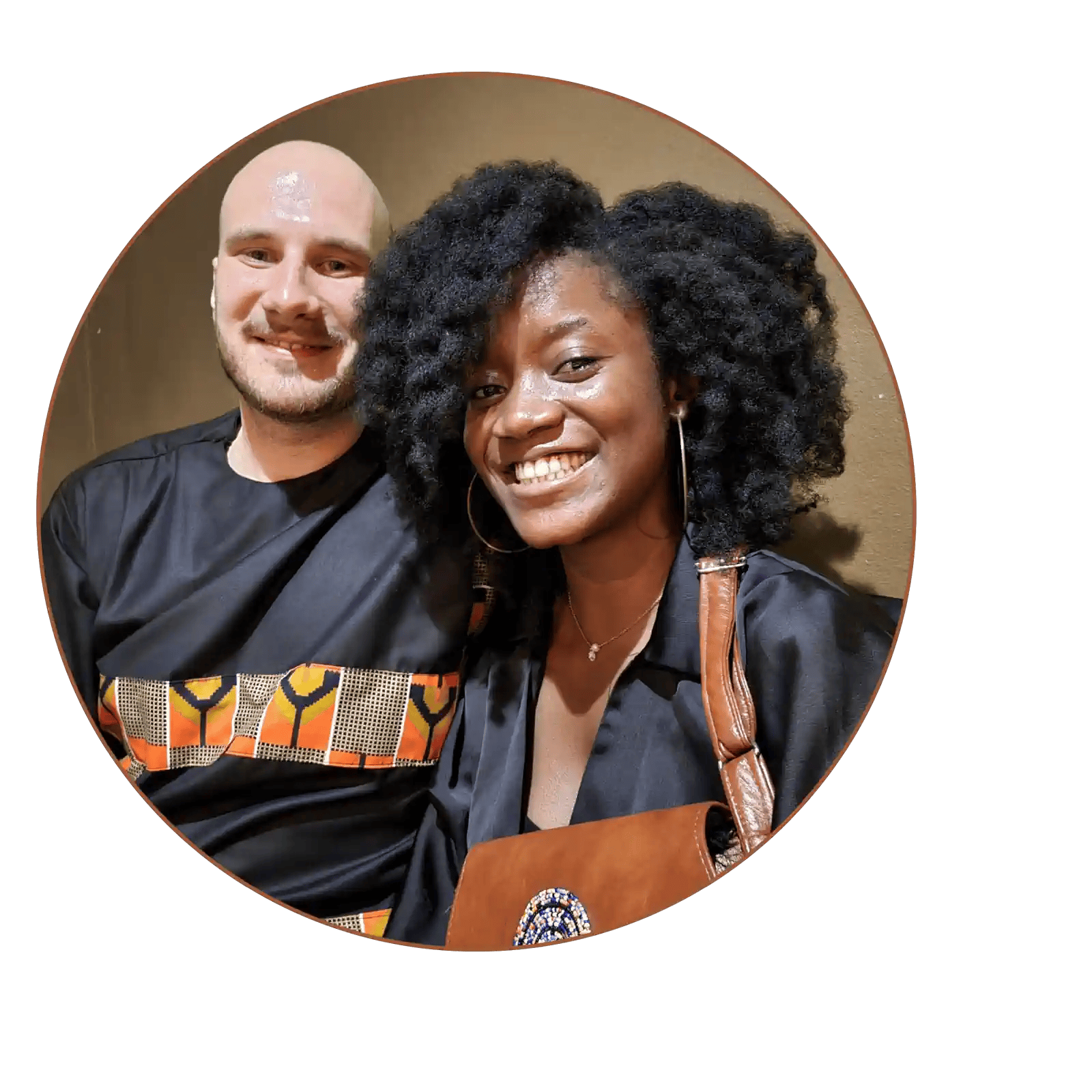
I’m André, your go-to person for travel in Cameroon. I lived in Yaoundé from 2022 to 2026 and am part of a Cameroonian family. On Wohinnoch? I write about my travels and share tips for Cameroon and other destinations. If these shouldn’t be my last words to you, subscribe to my blog and follow me.
New travel stories, tips and updates by email (max. once a week)